

Australians are waiting an average of 466 days for medicines to become affordable and accessible on the PBS.

“At the end of the day, lives are affected, quality of life is affected and people are dying.”
Maria - Brisbane mother and breast cancer survivor
Maria’s story is one that is all too common.
“Prior to being diagnosed, I wasn't in this world. You're thrown into this world and suddenly you really have to advocate for yourself. I shouldn't have to.”
At the age of 39, on a day as ordinary as any other, Maria was having a shower when she felt an odd lump under her arm. Maria had some initial tests done and the results confirmed what no woman hopes to hear: Breast cancer.
“I went to the doctor about three days later and my diagnosis was stage two B.”
Stage two B meant that the tumour in Maria’s breast was larger than two centimetres and also spread to the lymph nodes. Maria found a private surgeon in her hometown of Brisbane and went ahead with a life-altering double mastectomy two weeks later. She then went through chemotherapy and after that, hormone therapy.
While her treatment was likely to remove her cancer, unfortunately Maria was at a high risk of it returning in the future. There was, however, a medication for high-risk patients of Maria’s pathological grade that had already been approved by the FDA in the United States.
“At that time, it was really worrying because although the medication had been approved in Australia by the TGA as being safe and effective to use on breast cancer patients like me, it was not listed on the PBS in Australia and so it was really expensive.”
To be effective, her medicine needed to be taken at the end of the chemo treatment. While undergoing chemo and enduring its emotional and physical side effects, Maria was caring for her children and making plans to access the medicine overseas, where it was more affordable, even after the cost of travel. Maria’s situation could have been less stressful if recommendations to improve Australia’s Health Technology Assessment (HTA) process had been in place.
In Australia, medicines like this must undergo the HTA process before they can be subsidised on the PBS and made affordable for Australian patients. The HTA process evaluates new medicines to determine their effectiveness and value. For Maria, it meant waiting around two years—a frustrating and costly delay for Australian patients in urgent need.
“Just one week before finishing my chemotherapy, my oncologist walked in smiling. The medication was finally available. I cried tears of joy that day. But I also cried for the fact that anyone has to fight this hard, or wait this long, for something that could save their life. No one should have to fight bureaucracy while fighting for their life.”
Every year in Australia, around one in 4,000 people, like Maria, will be confronted with this diagnosis.
The HTA review makes a raft of recommendations, including faster access to medicines for patients. It also makes some specific recommendations about treating cancer based on genetics and therapies that target particular gene alterations.
Recommendations from the HTA Review could have helped Maria at the time and would most certainly help other Australian women who are still waiting for their breast cancer medicines to be listed on the PBS. Australians shouldn’t have to draw on their savings or travel internationally to access the medicines they need.
The Stronger PBS campaign supports the implementation of the 50 recommendations from the HTA Review.
“Something needs to be done, and something needs to be done fast.”
For Maria, a stronger PBS would have spared her the added worry of whether the medicine she needed would be on the PBS at the end of her chemo treatment, when she needed it. A stronger PBS would also remove this worry for other women, who are still waiting for their medicine to be listed.
Maria founded Breasties Beyond Cancer – a vital support group that fills the gap many breast cancer patients face once they complete treatment. Recognising the emotional and physical challenges that continue after treatment ends, Breasties provides a connected community for survivors and thrivers. And thanks to Maria’s tenacity, it is on the path to so much more. Watch this space at https://www.breasties.com.au.
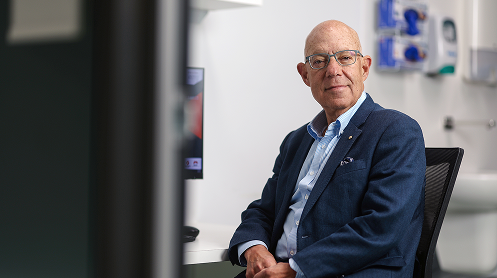
"If you've got a time-critical illness... and you're in a situation where a new medicine is available but it's only available if you can pay for it, then that means people miss out. We've got a responsibility to try and solve that problem."
Professor John Zalcberg, Oncologist
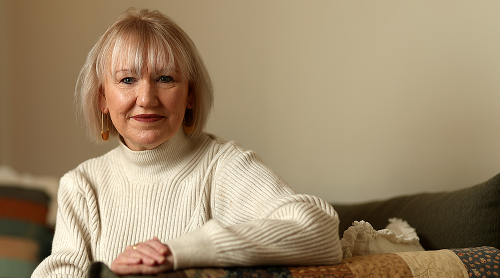
“The medicines that are approved … are life altering. They’re often lifesaving and I think that the impact on people’s lives cannot be underestimated in terms of what it does for people to have access to improved medication that can treat their chronic condition.”
Deidre Mackechnie, APAA Executive Officer