
Australians are waiting an average of 466 days for medicines to become affordable and accessible on the PBS.
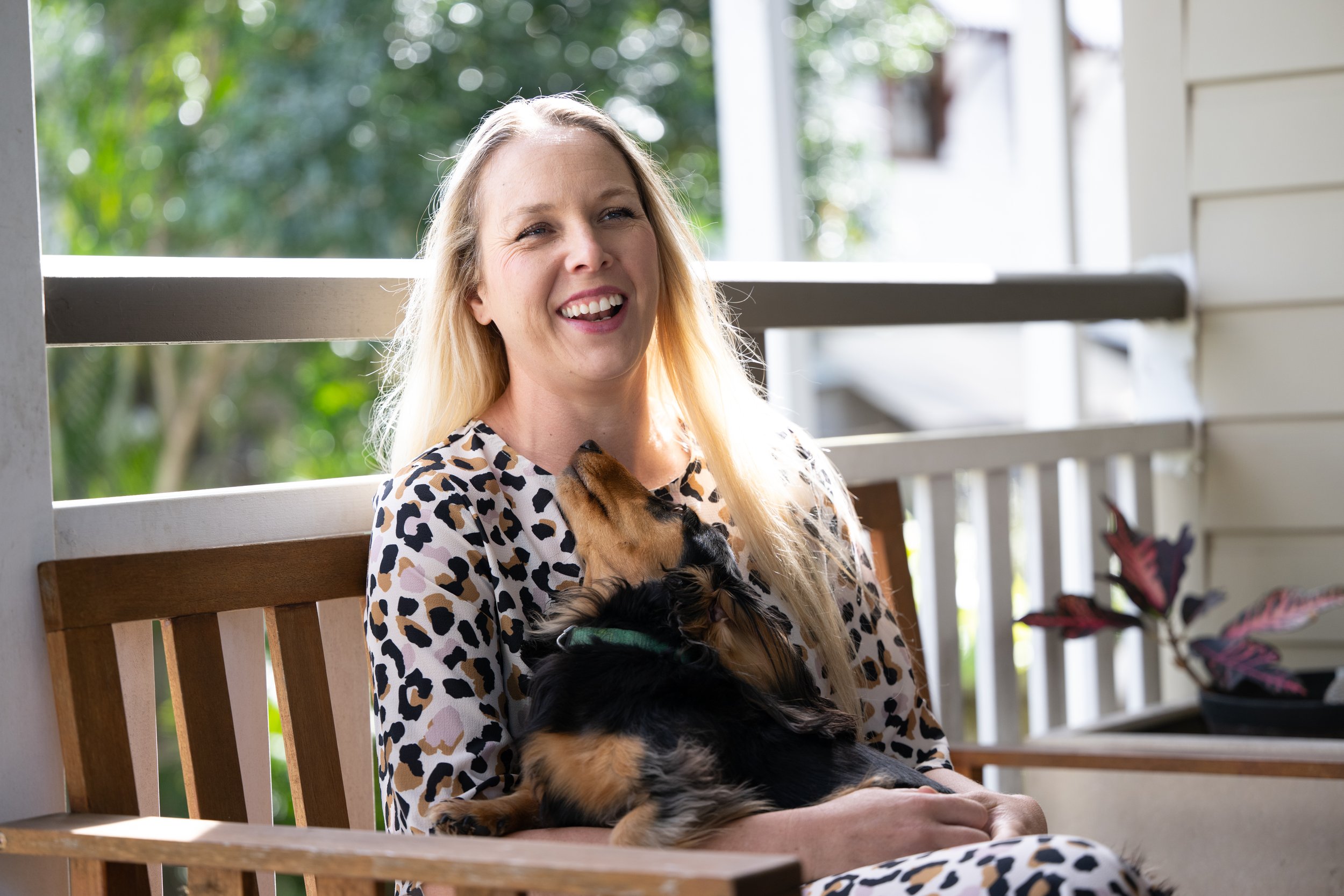
“If the medication that I'm on today were not on the PBS, it would be a very different story. It's as simple as that.”
Kiriana, ‘One of the lucky ones’
Kiriana’s Story
“I'm a success story in that I have access to a medication that is on the PBS, which has brought me normality. There was a significant period of time where I didn't have normality, and my quality of life was greatly affected.”
The 40-year-old mother of 2 lives with inflammatory bowel disease, a chronic autoimmune condition that causes inflammation of the digestive tract, leading to symptoms such as severe abdominal pain, fatigue, weight loss and diarrhoea. For Kiriana, the disease has dictated much of her adult life.
“I was diagnosed at 23. I got E. coli, Giardia and Salmonella at the same time. So, I was in hospital for quite a while, and then I just never recovered after that.”
What began as an acute infection turned into a chronic battle that would shape nearly every aspect of her life. Despite periods of remission, the disease has always lingered in the background.
“It's been a journey, where I've had peaks and troughs, active and remission states as well.”
“It wasn't until my most recent relapse that life really did get what I would call debilitating.”
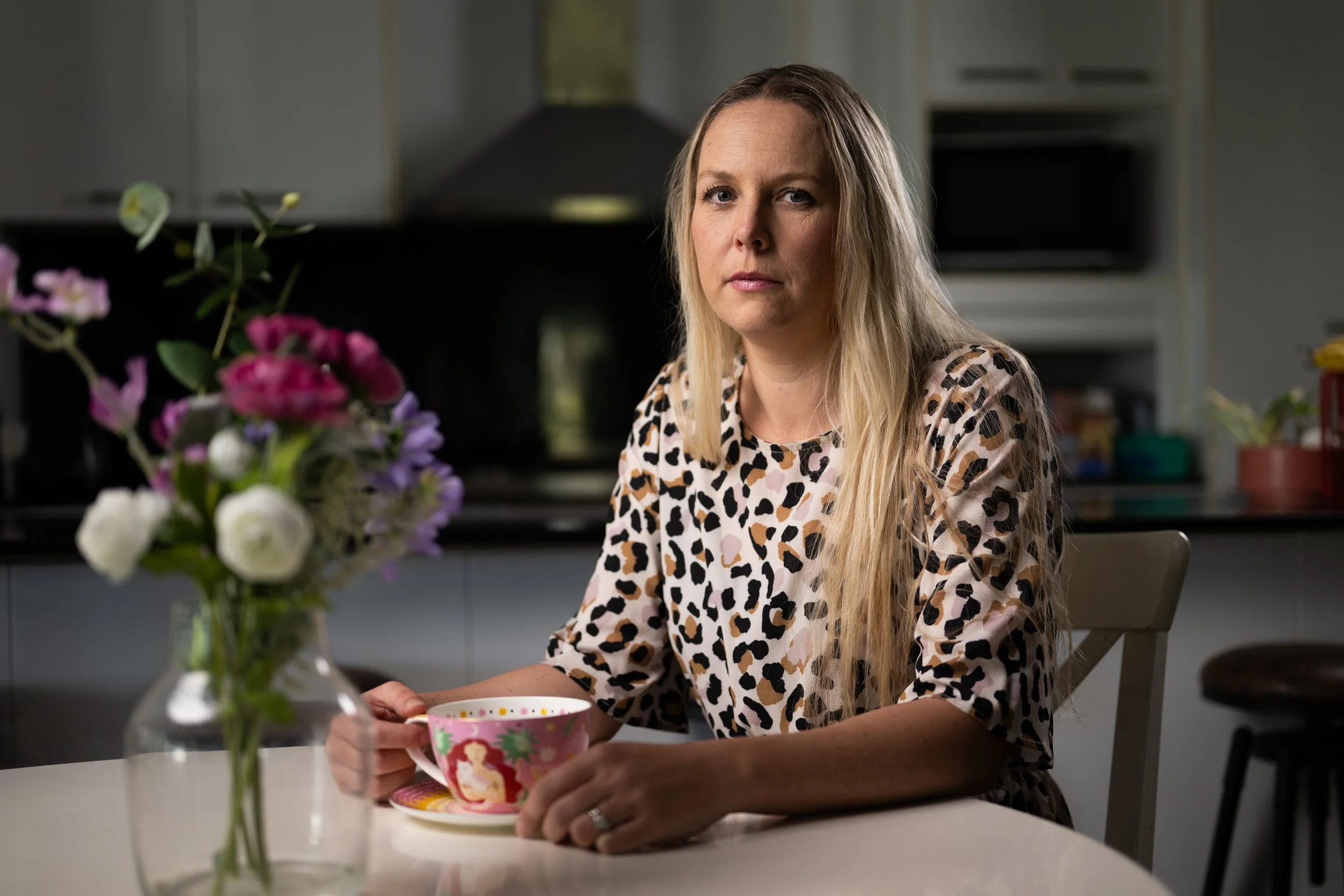
As a parent, a full-time worker and a business owner on top of that, Kiriana describes the havoc that her condition has caused across her life.
“I couldn’t tell you a part of my life that it didn’t affect. I mean, it affected my ability to work; it affected my ability to drive anywhere; my energy resources; fatigue was a huge thing, but also the pain it caused.”
Kiriana has spent years battling her symptoms and trialling unsuccessful treatments – an intensive, costly and exhausting venture.
“So, with any chronic health condition, there will be a pathway. You start on your lead-in drug. Each progression you go through, you have to, essentially, fail one before you get approved to try another.”
“I failed nine different medications.”
“It’s heartbreaking, because with every medication you have there's a degree of hope that this is the one that's gonna work.”
It took years before Kiriana was finally prescribed a medication that worked for her. A medication that, thanks to the PBS, is affordable and provides her with the quality of life we all deserve.
Without PBS coverage, the treatment that finally brought relief would have remained entirely out of reach. Kiriana’s medication, if privately funded, would cost more than her family's combined monthly income – a devastating trade-off no one should be forced to make.
“If the medication that I'm on today were not on the PBS, it would be a very different story. It's as simple as that.”
“I would be having a very real conversation with my significant other as to how we could personally fund it, and whether that was a viable option. Otherwise, I would be back to where I was with a significantly adjusted quality of life.”
Kiriana recognises she’s among the fortunate Australians, those who can access the medication they need at an affordable price.
“Hearing that some Australians wait more than 466 days on average for a medication to be listed on the PBS is horrifying. For people living with progressive or chronic illness, waiting is not neutral. Delays have real, lasting consequences.”
Kiriana’s story is a stark reminder that access to affordable medication can be the difference between despair and dignity. For Kiriana, and for countless others, the PBS isn’t just a government program – it’s a lifeline.
We’ll close with some words directly from Kiriana herself:
“Because I am well, I can work, contribute to society, and care for my family. I can be present for my children, progress in my career, maintain friendships, exercise, travel, and say “yes” to life again. It is the small things — attending my children’s sporting events, taking public transport, watching a movie at the cinema, standing in a queue, planning family adventures, enjoying everyday routines — that means everything. The PBS didn’t just help me manage a disease. It gave me dignity, stability, and hope.”