

Australians are waiting an average of 466 days for medicines to become affordable and accessible on the PBS.
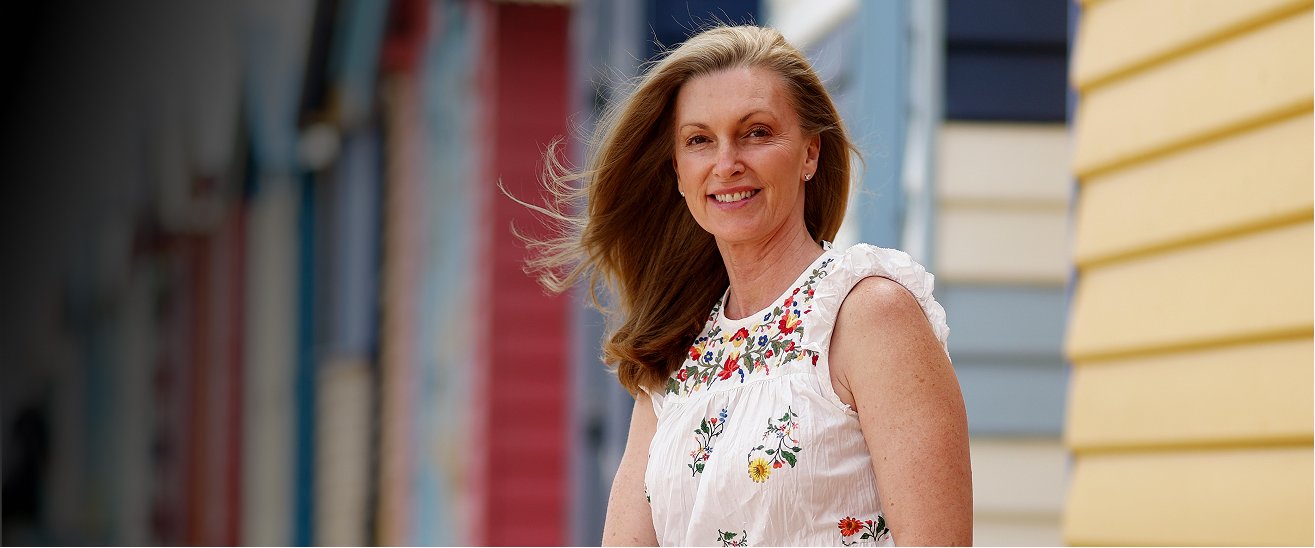
“At this point in our lives, we’re balancing careers, teenagers, ageing parents and the constant mental load of keeping everything moving — all while navigating the very real physical and hormonal changes of midlife.”
Adie - Living with an unspoken struggle
Adie’s story
Until very recently, menopause was an unspoken struggle.
When Adie first started experiencing symptoms 15 years ago, they weren’t even recognised as menopause.
For generations, women at this point in their lives have been misdiagnosed and misunderstood. Medications designed to help women navigate these health challenges were wrongly labelled as health risks and none of them were added to the PBS for 20 years.
Adie is a Melbourne mother of two teenagers who passionately advocates for more awareness on menopause, and its treatments so that women aren’t limited by health changes that they cannot control.
“The implications of menopause reach into every part of your day-to-day life: your sleep, relationships, responsibilities, energy levels, finances and work commitments.
The menopause journey is different for everyone, including pain, lethargy, emotions, random symptoms you would never associate with menopause and often … all at once!”
One year on from the Australian Government’s Women’s Health Package, Adie is one of 363,000 women who have saved $45.4 million on 1.5 million scripts*.
It had been two decades since new menopausal hormone therapies had been listed on the PBS. Sadly, the current process for listing medicines on the PBS is so clunky and out of date that the Government had to work around the system to get the medicines to Australian women after, in some cases, decades of failing to secure inclusion on the PBS.
Thankfully, the recent listings are enabling affordable access to the right medications and making a real difference for women like Adie.
“What people underestimate is the out-of-pocket cost of navigating your health at this age. Once you start seeing specialists and trialing medications, the costs add up very quickly.
I saw two specialists and three GPs trying to understand symptoms that turned out to be menopause. Within a week of starting medication now available on the PBS, my symptoms improved. I spent over $2,500 on unnecessary investigations simply because menopause wasn’t recognised.
And now that I’ve found the right medication, I find that I go through it very quickly. These medications are a repeated, monthly, long-term line item on my household budget.”
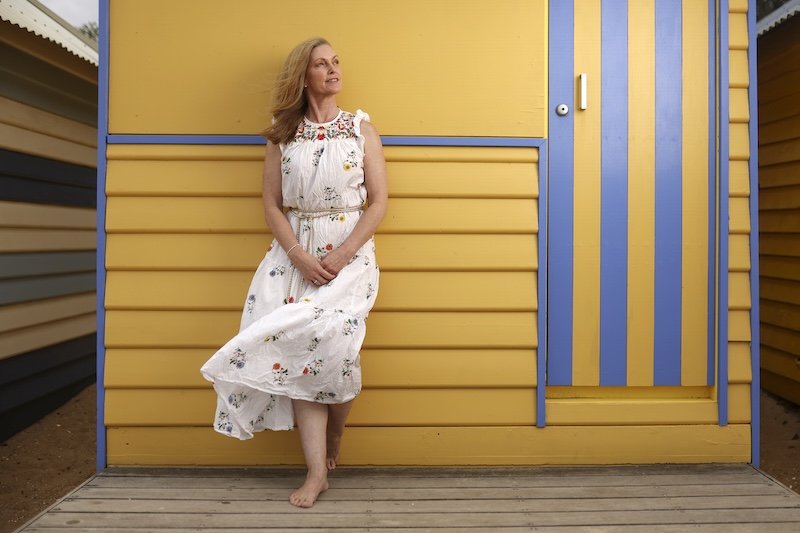
Of course, there is always room for further improvement. Adie is on four different medications and, together, they’re making a positive impact but one of them is yet to be listed. Ironically, this particular medication is available to men on the PBS, but not women!
“At this point in our lives, we’re balancing careers, teenagers, ageing parents and the constant mental load of keeping everything moving — all while navigating the very real physical and hormonal changes of midlife.
And that’s just our personal lives. As women who have built careers over decades, we want financial independence. We don’t want a health change to stymie our careers and incomes just as we’re starting to feel more freedom from child care responsibilities.”
The first PBS listings of menopause hormone therapies in 20 years is a positive step - but the fact that Government had to work around the system to get the medicines to Australian women after, in some cases, decades of failing to secure inclusion on the PBS demonstrates that our system is out of step.